
How can I keep my child safe online? 🔐
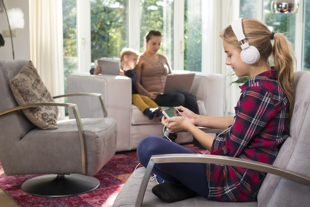 It can feel like a big responsibility as a parent to make sure that your child is safe and happy online; there are lots of practical things you can do to help.
When your child first starts to use digital devices and access online platforms, it is best to encourage them to do so in shared family spaces so that you can supervise them and be available to answer any questions. It is also recommended that you set up parental controls on your home Wi-Fi and any devices your child is using. Parental controls allow you to restrict access to inappropriate content, control in-app purchases and set time limits on device use. It is a good idea to test parental controls yourself and adapt them as your child gets older.
Internet Matters have produced a step-by-step guide for parents explaining how to set up parental controls and privacy settings.
One of the best ways to understand what you child is doing online is to get them to show you around their favourite games, apps, sites, or platforms. Learning more about what different online spaces look like will help you feel more confident when talking to your child about risks and safety.
- Visit Internet Matters' Social media advice hub to find out more about the different social media platforms
- Learn more about gaming online
- Learn more about apps for kids
- Learn more about privacy and data
The NSPCC have partnered with Ambitious about Autism to produce a set of bespoke resources about online safety for parents and carers of children with Special Educational Needs and Disabilities (SEND).
Family agreements
You might want to work together as family on how you approach online safety issues. A family agreement or a parent-child contract can be a great way to start a conversation about how your family can stay safe and behave in positive ways online. Childnet have collated a list of things to consider when creating a family agreement, such setting boundaries and expectations, alongside some practical examples of positive online behaviours.
It is important to remember that whilst parental controls are an essential part of keeping children safe online, it is still possible that your child may be exposed to inappropriate content. Talk with your child to reiterate the importance of telling a trusted adult if anything happens online that makes them worried, upset, or uncomfortable in any way.