
What can I do if I think my child is being harmed online? 🗣
 You may be concerned that your child is being harmed online or you may experience concerns in future. This could be because of something they have told you, something you have seen, or because you have noticed changes in your child’s behaviour or emotional state. For more information about spotting the signs of online abuse visit NSPCC learning - responding to online abuse.
The following resources explain how to deal with some of the most common harms children experience online:
- Online grooming | Childnet
- Sexual abuse | NSPCC
- Inappropriate online contact and staying safe | (ceopeducation.co.uk)
- Criminal exploitation and gangs | NSPCC
- Sexting (sharing nude and semi-nude images) (including consensual and non-consensual sharing of nude images, also known as ‘sexting’)
- Helping children deal with bullying and cyberbullying | NSPCC
- Exposure to age-inappropriate content such as pornography - oline pornography advice hub and resources | Internet Matters.
- Exposure to harmful content, such as content promoting self-harm, eating disorders or suicide | NSPCC
If you are worried about a child and want to report a child protection or safeguarding concern, you can do this through our report a child protection concern webpage.
Grooming online
Grooming occurs when an adult befriends a child and builds up their trust, with the intention of exploiting them or causing them harm. Grooming can lead to sexual abuse, exploitation to obtain sexually explicit images or videos of a child, radicalisation, or exploitation to obtain financial information from the child or their family.
If you are worried your child is being groomed or sexually exploited, you should report your concerns to Child Exploitation and Online Protection (CEOP) command. CEOP is part of the National Crime Agency. If you believe you are in an emergency, or that a child is in immediate danger, you should call 999 and make a report to the police.
If you are not ready to make a report, or are unsure whether you need to, speak with someone who is professionally trained in child safeguarding via the NSPCC helpline - this helpline is free to use. You can contact the NSPCC for advice via email (help@NSPCC.org.uk 📧) or by completing an online form.
Reporting unsafe content
Childnet suggest that parents take the following steps if their child needs help:
- Communication with your child is essential. Talk to them and reassure them that they can always come to you if something upsets or worries them online. If your child discloses that they have come to harm, do not blame them - remember that the responsibility for this always lies with the person whose intention was to cause the harm.
- Save the evidence wherever possible. You may be able to report what has happened to the online service being used when the incident occurred. Evidence may include screenshots taken on a laptop or mobile device, emails, texts, or online conversation histories. If you do need to make a report, evidence will make it easier to show exactly what has taken place.
- Familiarise yourself with the different ways that you can report your concerns - how to make a report. Depending on what has happened, it might also be necessary to let your child’s school know too.
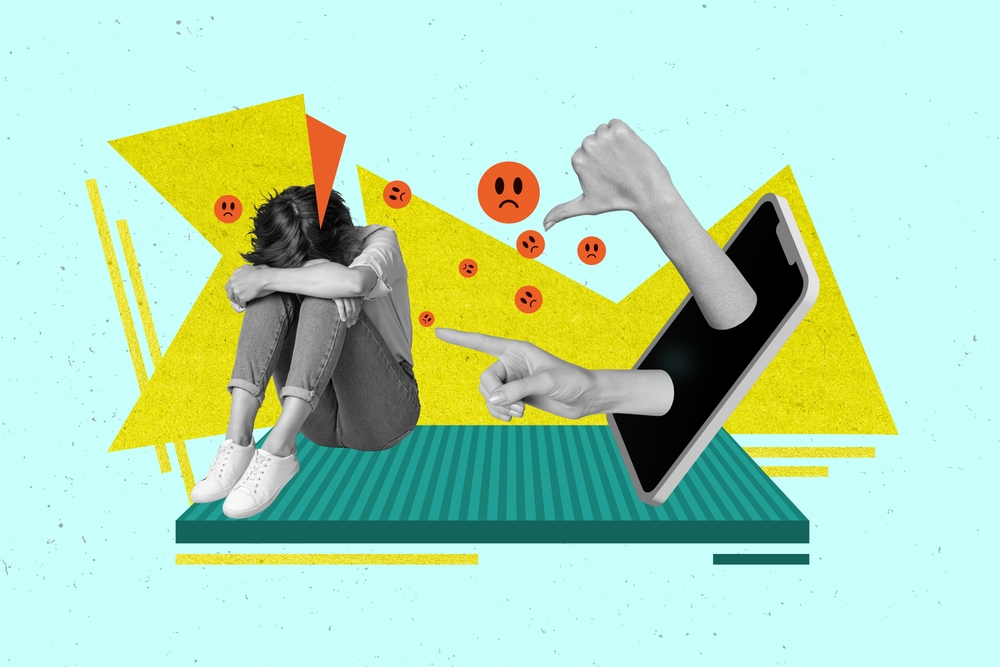 Cyberbullying
Cyberbullying is bullying that takes place online. Because cyberbullying happens through social networks, gaming, and mobile phones, it can follow a child wherever they go.
If you are worried that your child may be experiencing cyberbullying the NSPCC has information on signs to look out for, and the different types of cyberbullying - helping children deal with bullying and cyberbullying.
Supporting a child through the experience of bullying can be challenging. The NSPCC provide advice and support to parents about how to help your child through being bullied.