
Living room
Most of us spend a considerable amount of time in our living rooms, especially in the winter. It’s where we relax, interact with our family and enjoy our favourite television shows. Due to this, we tend to use a lot of energy in this room. So here are a few ways to be more energy efficient in the lounge.
Switch it off at the plug
You can save around £65 a year just by remembering to turn your appliances off standby mode. Your TV, consoles, speakers and other appliances in the lounge will continue to draw energy even when they are on standby mode. [Energy Saving Trust]
Use radiator reflectors
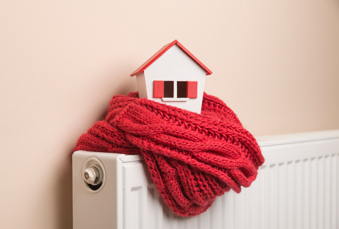
Radiator reflectors save energy by reflecting heat back into the room rather than allowing it to escape through the walls behind the radiator. This increases the effectiveness of the heating system by directing more heat into the room, which can lead to lower heating costs. Have a go at making your own radiator reflectors:
Switch it off at the plug
You can save around £65 a year just by remembering to turn your appliances off standby mode. Your TV, consoles, speakers and other appliances in the lounge will continue to draw energy even when they are on standby mode. [Energy Saving Trust]
Use radiator reflectors
Radiator reflectors save energy by reflecting heat back into the room rather than allowing it to escape through the walls behind the radiator. This increases the effectiveness of the heating system by directing more heat into the room, which can lead to lower heating costs. Have a go at making your own radiator reflectors:
Consider a stand by saver
Almost all electrical appliances can be turned off at the plug without upsetting their programming. You may want to think about getting a standby saver or smart plug which allows you to turn all your appliances off standby in one go.
Bundle up
Rather than cranking up the heat when you’re cold, put on a warm sweater or wrap yourself in a cozy blanket.
Heat people, not the room
Rather than putting the thermostat up further, you could try a heated electric blanket to keep you snug. They typically cost between £25-50 to purchase but use as little as 3p an hour of electricity even on the highest setting.
Use LED lighting
One of the easiest and most effective changes you can make is switching to LED light bulbs. LED bulbs are more energy-efficient than traditional incandescent bulbs and can last up to 25 times longer. By replacing your old light bulbs with LEDs, you can save both energy and money on your electricity bills.
Consider a stand by saver
Almost all electrical appliances can be turned off at the plug without upsetting their programming. You may want to think about getting a standby saver or smart plug which allows you to turn all your appliances off standby in one go.
Bundle up
Rather than cranking up the heat when you’re cold, put on a warm sweater or wrap yourself in a cozy blanket.
Heat people, not the room
Rather than putting the thermostat up further, you could try a heated electric blanket to keep you snug. They typically cost between £25-50 to purchase but use as little as 3p an hour of electricity even on the highest setting.
Use LED lighting
One of the easiest and most effective changes you can make is switching to LED light bulbs. LED bulbs are more energy-efficient than traditional incandescent bulbs and can last up to 25 times longer. By replacing your old light bulbs with LEDs, you can save both energy and money on your electricity bills.
Energy saving design
Floating shelves - staying with the radiators, strategically placing shelves above your radiator will not only add more storage space around your home but will push the heat into the room, stopping it from rising up to the ceiling where you can’t feel it.
Upgrade your TV
LED TVs consume significantly less energy than plasma or LCD models so if you are looking to upgrade your TV, try and opt for LED.
Line your curtains
Reduce heat loss through the window by creating a sealed air gap between the window and the living space with insulated window coverings.
Energy saving design
Floating shelves - staying with the radiators, strategically placing shelves above your radiator will not only add more storage space around your home but will push the heat into the room, stopping it from rising up to the ceiling where you can’t feel it.
Upgrade your TV
LED TVs consume significantly less energy than plasma or LCD models so if you are looking to upgrade your TV, try and opt for LED.
Line your curtains
Reduce heat loss through the window by creating a sealed air gap between the window and the living space with insulated window coverings.
Last reviewed: